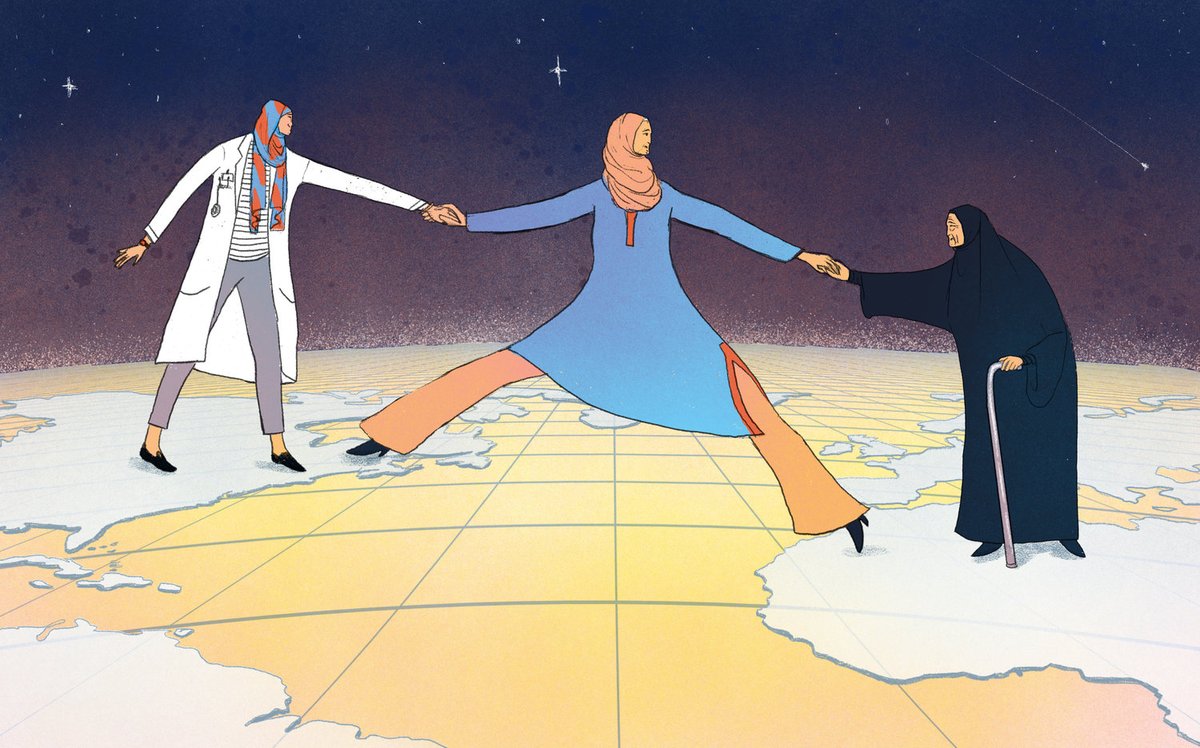
The story of America is one of journeys, hopes, and new beginnings. For millions, this journey begins with immigration, a transformative experience that ripples through families for generations. Far from a monolithic experience, the paths taken by "immigrant generations" are incredibly diverse, shaping identities, cultures, and contributions to American life in unique and profound ways. Understanding these distinct generational experiences helps us appreciate the complexity and richness of the immigrant narrative, moving beyond simple labels to truly connect with the human stories behind the statistics.
This hub explores the intricate tapestry of immigrant generations, from those who first step onto new soil to their descendants navigating a deeply rooted American identity. We'll delve into the specific challenges and triumphs that define each group, offering a nuanced perspective on what it means to belong, adapt, and thrive across time.
The Foundation: First Arrivals and Brave Beginnings
The journey of any immigrant family begins with the first generation: individuals who, often against immense odds, decide to make a new country their home. These pioneers carry with them not just their belongings but also their deep cultural roots, languages, and established identities. Their adaptation is a testament to resilience, often involving significant personal sacrifice, navigating new systems, and sometimes facing a profound sense of loss for the life left behind. They are the bridge between two worlds, laying the groundwork for all who follow.
Many first-generation immigrants grapple with fundamental questions of acculturation versus assimilation, determining how much of their homeland culture to retain while embracing their new environment. Their professional credentials might not be recognized, forcing them into new career paths, and maintaining their native language can be both a source of comfort and a practical challenge. To understand the profound adjustments and unwavering spirit of these individuals, discover the deep dive into their journey with First-Generation Immigrant Adaptation.
Within this foundational generation, we also recognize the nuanced experiences of those who arrive at different ages. Generation 1.5 refers to those who immigrated as children or adolescents (typically ages 6-12), finding themselves suspended between cultures. They spend their formative years integrating into the new society, often becoming bilingual and bicultural with relative ease compared to their adult counterparts. Even more fluid are Generation 1.75 (immigrating before age five), whose experiences often mirror the second generation with minimal homeland memory, and Generation 1.25 (teenagers 13-17), who retain stronger ties to their previous country but benefit from youthful adaptability. Each age of arrival creates a distinct lens through which identity is forged.
Forging Identity: The Second Generation's Bicultural Balancing Act
The second generation marks a pivotal shift in the immigrant narrative. These are the children born in the new country to at least one foreign-born parent. Their lives are shaped by the dual influences of their parents' heritage and the dominant culture of their birth country. They typically grow up speaking the language of their new homeland fluently, are educated in its schools, and are immersed in its social norms. This bicultural upbringing can be a source of immense strength, offering unique perspectives and skills, including often invaluable bilingualism.
However, it can also lead to significant internal and external conflicts. Second-generation individuals may feel pressure to conform to their parents' traditional customs while simultaneously desiring to fully embrace the culture of their peers. This balancing act can sometimes result in intergenerational misunderstandings or even a rejection of ancestral traditions, creating a complex identity journey. For those interested in the fascinating world where two cultures converge and diverge, it's essential to Explore second-generation identity Understand second-gen biculturalism. Furthermore, a distinct group, Generation 2.5, highlights individuals with one foreign-born and one native-born parent, facing their own unique set of identity formations.
Echoes and Evolution: Later Generations and Enduring Heritage
By the time families reach the third generation and beyond, assimilation into the new country is often largely complete. These individuals are the offspring of the second generation, typically having limited direct experience with their grandparents' homeland culture beyond family traditions or stories. The intense pressures of adaptation faced by their ancestors have largely dissipated, and their sense of belonging to the new country is often unequivocal.
Yet, heritage rarely disappears entirely. While the direct ties may lessen, a nostalgic attachment to ancestry often emerges. Later generations might seek to reconnect with their roots through cultural festivals, language learning, or historical research, finding new ways to express an identity that is both deeply American and subtly connected to their ancestral past. To understand how cultural legacies persist, transform, and often resurface across the centuries, you'll want to Explore how heritage evolves.
Bridging Divides: Navigating Family Dynamics and Intergenerational Relations
Within immigrant families, the distinct experiences of each generation inevitably lead to unique dynamics. The very different cultural reference points, language proficiencies, and social expectations between parents, children, and grandparents can create both challenges and opportunities. First-generation parents might hold different views on education, marriage, or career paths than their second or third-generation children, leading to potential friction but also to rich dialogues and evolving family norms.
Successful immigrant families often find ways to bridge these gaps, fostering understanding and respect for each other's unique perspectives. The strength of family bonds often drives these efforts, as each generation seeks to honor their past while building their future. To delve deeper into the fascinating interplay between generations in a family setting, consider reading about Intergenerational Relations in Immigrant Families.
The Immigrant Paradox: Pathways to Prosperity
Despite the myriad challenges, immigrant youth frequently demonstrate remarkable academic and professional success, often surpassing their native-born peers and even their own parents or grandparents. This phenomenon, known as the "immigrant paradox," is driven by powerful factors. Strong family obligation, a deep parental emphasis on education, an inherent optimism about social mobility, and the cognitive advantages of bilingualism often fuel this upward trajectory. Immigrant parents frequently make immense sacrifices, investing heavily in their children's schooling, motivated by a desire to provide a brighter future than they themselves had.
These factors contribute not only to individual achievement but also to the broader economic and social fabric of the host nation. The drive and dedication observed across immigrant generations fuel innovation, entrepreneurship, and a vibrant workforce. To uncover the full picture of how different groups achieve success and contribute to their new country, explore the in-depth analysis of Socioeconomic Trajectories of Immigrant Generations.
A Continuous Evolution of Identity and Belonging
The concept of immigrant generations is far more than a simple chronological classification; it's a living, breathing testament to the human spirit's capacity for adaptation, resilience, and growth. Each generation adds a new layer to the complex, ever-evolving narrative of what it means to be American, enriching the nation's culture, economy, and social landscape. From the first brave steps on new soil to the later generations rediscovering their roots, the journey of immigrant families continues to shape and redefine the very essence of belonging.