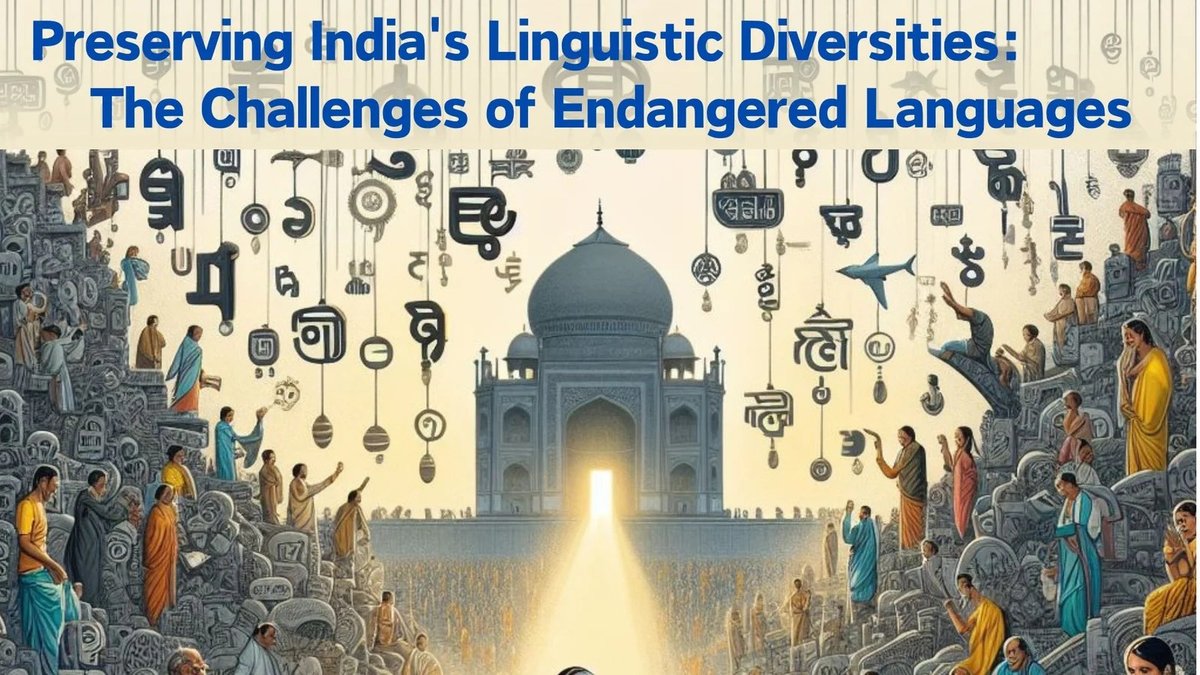
Language is more than just a tool for communication; it's a living archive, a blueprint of a community's soul. It carries generations of stories, wisdom, and a unique way of seeing the world. When a language fades, it's not merely words that disappear, but entire universes of knowledge and heritage. This slow, often silent, erosion is known as Language Shift & Cultural Preservation, and understanding it is crucial to safeguarding the incredible diversity of human expression.
Imagine losing access to a library containing all the memories, jokes, and historical records of your ancestors. That's the gravity of language shift. It's a global phenomenon, accelerated by modern forces, putting countless languages at risk and challenging communities to find innovative ways to preserve their linguistic and cultural treasures.
At a Glance: Understanding Language Shift & Preservation
- What is Language Shift? It's the gradual process where a community stops using its native language, adopting a dominant one instead.
- Why Does it Happen? Social pressures, economic opportunities, political policies, migration, and the influence of mass media all play a role.
- What's Lost? A language's disappearance means the erosion of unique cultural heritage, indigenous knowledge systems, community identity, and even cognitive diversity.
- Can We Stop It? Yes, through dedicated revitalization programs, community-led initiatives, government support, and leveraging digital technologies.
- Why Does It Matter? Every language offers a distinct perspective, problem-solving method, and cultural fabric, enriching our collective human experience.
When Words Fade: The Mechanics of Language Shift
Language shift isn't a sudden event; it's a creeping process, often spanning generations. Think of it as a slow-motion transformation, much like a river gradually changing its course over centuries. It begins subtly, often with the introduction of a more dominant language into a community.
Initially, speakers typically become bilingual, using both their native tongue and the new language. They might reserve their heritage language for family gatherings or intimate community events, while the dominant language takes over public spaces, education, and professional life. This division of use, known as domain restriction, is a key indicator. The native language is pushed into ever-smaller corners of daily existence.
The most critical turning point arrives with reduced intergenerational transmission. This is when parents, often with the best intentions for their children's future in the dominant society, stop teaching them their native language. Children might grow up understanding bits and pieces but never become fluent speakers. Eventually, younger generations may abandon the language entirely, leading to diminished proficiency and, ultimately, its replacement by the dominant language across all community domains. It's a heartbreaking scenario, where the living chain of linguistic knowledge is broken, often irreversibly.
The Currents of Change: Why Languages Shift
Understanding the forces that drive language shift is crucial for counteracting them. These aren't isolated factors but often interweave, creating powerful currents that pull communities away from their ancestral tongues.
Social Pressures: The Appeal of Belonging
Imagine moving to a new country where everyone speaks a different language. The desire to fit in, to make friends, and to be understood can be an overwhelming motivator. This is akin to the social pressures at play in language shift. A dominant language often carries a higher status or prestige, making its adoption a path to social acceptance and integration. Choosing to speak a minority language, in contrast, might be perceived (or actively result in) social exclusion or a lack of opportunities, especially for younger generations keen to navigate the broader world.
Economic Pull: The Lure of Opportunity
For many, the decision to shift languages is rooted in pragmatism. Proficiency in a dominant language frequently unlocks doors to better jobs, higher education, and access to broader markets. Consider the global prominence of languages like English, Mandarin, or Spanish. Mastering them can be seen as an essential skill for economic advancement, making the difficult choice to prioritize them over a heritage language understandable, if still lamentable. This economic incentive can be a powerful, almost irresistible, force.
Political Hand: Policies That Shape Speech
Governments, whether intentionally or not, wield immense power over linguistic landscapes. National language policies, which might mandate a single official language for education, administration, or public life, can severely impact minority languages. Historically, some governments have even actively suppressed indigenous or minority languages, viewing them as obstacles to national unity. Such policies, even if softened today, leave a lasting legacy, accelerating language shift by removing institutional support and public spaces for native tongues.
Demographic Tides: Migration, Urbanization, and Intermarriage
Major demographic shifts are significant drivers. When people migrate from rural areas to urban centers, they often encounter a more linguistically diverse environment where a dominant language serves as a lingua franca. Intermarriage between speakers of different languages also frequently leads to a common language being adopted for the household, often the dominant one. This is particularly relevant for immigrant generations navigating new cultural landscapes, where the heritage language might struggle to find its footing against the pressures of a new society.
Global Currents: The Reach of Dominant Languages
In our increasingly interconnected world, a few dominant languages have become global communication giants. English, with its widespread use in science, technology, and international business, is a prime example. This globalization brings increased language contact, but it often works against local languages, which struggle to compete for attention and relevance in the vast global media and information streams.
Media & Education: Reinforcing the Status Quo
Mass media — television, movies, music, and the internet — predominantly operate in dominant languages, reinforcing their prevalence and making it harder for minority languages to capture the attention of younger audiences. Similarly, education systems, especially those that don't offer instruction in heritage languages, can inadvertently contribute to language shift by prioritizing the dominant language as the sole medium of instruction, limiting children's exposure to their native tongue in formal settings.
The Irreplaceable Void: What Vanishes When a Language Dies
The death of a language is far more profound than simply losing a means of communication. It's a cultural catastrophe, a library burned, a unique lens through which humanity views the world shattered forever.
Loss of Cultural Heritage: Erasure of Identity
Language is the bedrock of culture. It carries unique traditions, customs, beliefs, histories, and practices. Every joke, proverb, song, and story is imbued with the nuances of its original language. When a language disappears, so too does the rich tapestry of folklore, oral histories, and specific cultural expressions that cannot be fully translated or recreated in another tongue. It's an erosion of a people's distinct identity and their very understanding of who they are.
Loss of Unique Knowledge Systems: Wisdom Forgotten
Indigenous languages, in particular, often harbor invaluable traditional ecological knowledge (TEK). Their vocabularies and grammatical structures are finely tuned to describe local environments, plants, animals, and weather patterns with a precision unmatched by dominant languages. Imagine a language with dozens of words for different types of snow or forest canopy. Losing such a language means losing a deep understanding of sustainable living, medicinal plants, and local ecosystems, knowledge accumulated over millennia that could be vital for addressing global challenges.
Weakened Community Identity: A Fractured Self
For many communities, language is the glue that binds them. It's the primary vehicle for collective memory, shared experiences, and social cohesion. When a language weakens or dies, it can disrupt this collective identity, leading to feelings of disconnect, cultural alienation, and a sense of loss among community members. Communication barriers can emerge between generations, further fracturing the social fabric.
Reduced Cognitive Diversity: A Narrower Human Mind
Each language offers a unique "operating system" for the human mind. It structures thought, categorizes experiences, and perceives reality in distinct ways. The very grammar of a language can shape how its speakers understand time, space, and causality. When languages disappear, we lose a piece of humanity's collective cognitive diversity – distinct ways of problem-solving, expressing creativity, and interpreting the world. This diminishes our collective capacity for innovation and understanding.
Social Disconnect: Bridging Generational Gaps
One of the most immediate and painful impacts of language shift is the social disconnect it creates. Grandparents who only speak their native language may struggle to communicate deeply with grandchildren who only speak the dominant language. This creates emotional distance, hinders the transmission of family history, values, and traditions, and can lead to a sense of isolation for elders.
Fighting the Tide: Strategies for Language & Cultural Preservation
The good news is that language shift isn't an inevitable fate. Communities and advocates worldwide are employing creative, determined strategies to revitalize languages and preserve the cultural wealth they embody.
Language Revitalization Programs: Rebuilding from the Roots Up
These programs are the frontline defense against language loss. They are specifically designed to increase the number of speakers and the active use of a language, especially focusing on intergenerational transmission.
- Immersion Schools and "Language Nests": These are powerful tools, particularly for young children. "Language nests," often small, community-run preschools, immerse children entirely in the heritage language from an early age, ensuring they become fluent native speakers. Immersion schools extend this through primary and secondary education.
- Master-Apprentice Programs: This model pairs an elder fluent speaker (the "master") with a younger learner (the "apprentice") for intensive, one-on-one, daily immersion. The focus is on natural conversation and context-based learning, mimicking how languages are acquired in natural settings.
- Curriculum Development: Creating engaging, culturally relevant learning materials for all ages, from children's books to advanced grammar texts, is fundamental. This ensures there are structured pathways for learning and continued practice.
Community-Led Initiatives: The Power of Local Action
Ultimately, language preservation must be driven by the communities themselves. Their passion, intimate knowledge, and collective will are irreplaceable.
- Documentation Efforts: Local groups often spearhead the monumental task of documenting their language through creating dictionaries, compiling grammars, recording oral histories, and archiving stories. This ensures that even if a language faces severe decline, its essence is preserved for future generations.
- Cultural Events and Spaces: Organizing festivals, storytelling evenings, traditional performances, and everyday community gatherings where the heritage language is the primary medium creates vital opportunities for active use and celebration. This demonstrates that the language is vibrant and relevant.
- Language Houses and Centers: These dedicated spaces provide a hub for language learning, cultural activities, and intergenerational interaction, fostering an environment where the language is not just learned but lived.
- Mentorship Programs: Beyond formal master-apprentice models, informal mentorships can encourage younger speakers to practice and deepen their fluency with elders and other fluent speakers.
Government Support & Policy: Creating a Supportive Environment
While grassroots efforts are essential, government backing can provide critical resources and legitimacy.
- Recognition of Linguistic Rights: Policies that formally recognize and protect the linguistic rights of minority communities are foundational. This can include rights to education in their native language, access to government services, and representation in media.
- Funding for Language Education and Revitalization: Financial support for immersion schools, language teachers, curriculum development, and cultural programs is crucial. This can help overcome resource limitations that often hinder community efforts.
- Official Language Status: In some cases, recognizing a minority language as an official language alongside the dominant one can significantly elevate its status and encourage its use in public life.
- Support for Minority Language Media: Funding and licensing for radio stations, television programs, and online content in heritage languages help ensure that speakers have access to relevant and engaging media in their own tongue.
Leveraging Digital Tools: New Frontiers for Preservation
The digital age offers unprecedented opportunities for language preservation, connecting speakers across distances and creating new avenues for learning and documentation.
- Mobile Applications and Online Courses: Language learning apps and online platforms can make heritage languages accessible to a wider audience, including diaspora communities and those without access to traditional classrooms.
- Social Media Campaigns: Platforms like Facebook, Instagram, and TikTok can be powerful tools for promoting languages, sharing vocabulary, organizing virtual events, and creating vibrant online communities of speakers and learners. Hashtag campaigns, language challenges, and daily word posts can engage younger generations.
- Digital Archives and Databases: Creating online dictionaries, searchable audio archives of stories, songs, and conversations, and digital libraries of cultural texts ensures that linguistic data and cultural knowledge are preserved and easily accessible for researchers, learners, and future generations.
- Podcasts, YouTube Channels, and Streaming Content: Producing engaging audio and video content in heritage languages can attract new learners and provide valuable resources for current speakers, making the language feel modern and relevant.
Common Questions & Misconceptions About Language Preservation
The idea of saving languages can sometimes feel daunting or even unnecessary to outsiders. Let's address some frequent questions and common misconceptions.
Is it really possible to save a dying language?
Absolutely. While challenging, many languages once on the brink of extinction have seen remarkable revitalization. Success stories like Hebrew, which transitioned from a liturgical language to a vibrant modern language, or Hawaiian, which has been brought back through immersion schools, prove that with sustained effort, community dedication, and resources, languages can indeed be saved and even thrive.
Why should we care about a language spoken by only a few thousand people?
The value of a language isn't measured by its number of speakers. Each language is a unique repository of human thought, creativity, and knowledge. Losing a language is like losing a species: it diminishes the overall biodiversity of our planet, in this case, our cultural and cognitive biodiversity. Every language offers unique insights into human potential and the diverse ways we relate to the world.
Isn't it natural for languages to die out? It's just evolution.
While languages have always evolved and sometimes disappeared over millennia, many contemporary language deaths are not "natural" in the same way. They are often the result of powerful external pressures: political suppression, economic marginalization, forced assimilation, and the overwhelming influence of dominant cultures. These are not organic processes but often systemic injustices that accelerate decline far beyond natural evolutionary rates.
Wouldn't it be better if everyone just spoke one language? It would make things simpler.
On a superficial level, perhaps. But the immense loss of richness, diversity, and unique knowledge would far outweigh any perceived simplicity. A world with one language would be a world with fewer ways to think, fewer stories to tell, and a drastically diminished understanding of human potential. Monolingualism limits our collective ability to innovate and solve problems, as each language offers a different framework for understanding and interacting with the world.
Beyond the Words: Connecting Language to Broader Identity
To truly understand the urgency of language preservation, we must look beyond its functional role and recognize its profound connection to identity, memory, and sense of place.
Language is the primary vehicle through which a community constructs its collective memory. It carries the stories of origin, the struggles, the triumphs, and the values that define a people. Without it, these memories become harder to access, more prone to distortion, and less potent in shaping future generations. The nuances of humor, the subtleties of poetic expression, and the deeply embedded values are often untranslatable, remaining tethered to their original linguistic form.
Elders, in particular, are the living libraries of a language and culture. They are the fluent speakers, the storytellers, the knowledge keepers. Their ability to transmit traditional wisdom, cultural practices, and historical narratives directly to younger generations is invaluable. When the language chain breaks, their unique role as conduits of heritage is tragically diminished, and the wisdom accumulated over lifetimes can be lost forever.
Furthermore, many indigenous languages are inextricably linked to land and territory. The names of places, plants, animals, and geographical features are often deeply rooted in the native tongue, reflecting a profound spiritual and practical connection to the environment. Losing the language can mean losing this intimate relationship with the land, severing a cultural umbilical cord that has sustained communities for millennia. Language preservation, in this sense, is also a form of environmental and territorial protection.
Taking Action: Your Role in Preserving Linguistic Diversity
The challenge of language shift is vast, but it's not insurmountable. Every individual, every community, and every institution has a role to play in nurturing linguistic diversity.
- Support Revitalization Efforts: Seek out and support organizations, schools, and community initiatives working to preserve and revitalize endangered languages. Financial contributions, volunteering, or simply spreading awareness can make a huge difference.
- Learn a Heritage Language: If you have ancestral ties to a language that is threatened or undergoing shift, consider learning it. Even a few words can reignite interest and contribute to its survival. Language classes, apps, or connecting with elders can be great starting points.
- Advocate for Linguistic Rights: Speak up for policies that support multilingualism, provide funding for heritage language education, and protect the rights of minority language speakers. Encourage schools in diverse areas to offer heritage language programs.
- Embrace Multilingualism: Celebrate linguistic diversity in your own life and community. Encourage children to learn multiple languages. Recognize the cognitive and cultural benefits that come with speaking more than one tongue.
- Seek Out Diverse Voices: Actively consume media, literature, and art from diverse linguistic and cultural backgrounds. This not only enriches your own understanding but also supports the creators working in minority languages.
- Be an Ally: For those not part of a language-shifting community, being an ally means listening, learning, and supporting the efforts of those directly affected. It means challenging assumptions about the value of different languages and recognizing the inherent worth of every linguistic tradition.
Language shift is a complex tapestry of social, economic, and political forces. But by understanding its mechanics and impacts, and by actively supporting preservation efforts, we can ensure that the rich symphony of human languages continues to resonate for generations to come. Each language is a precious inheritance, and its preservation is a gift to all of humanity.